
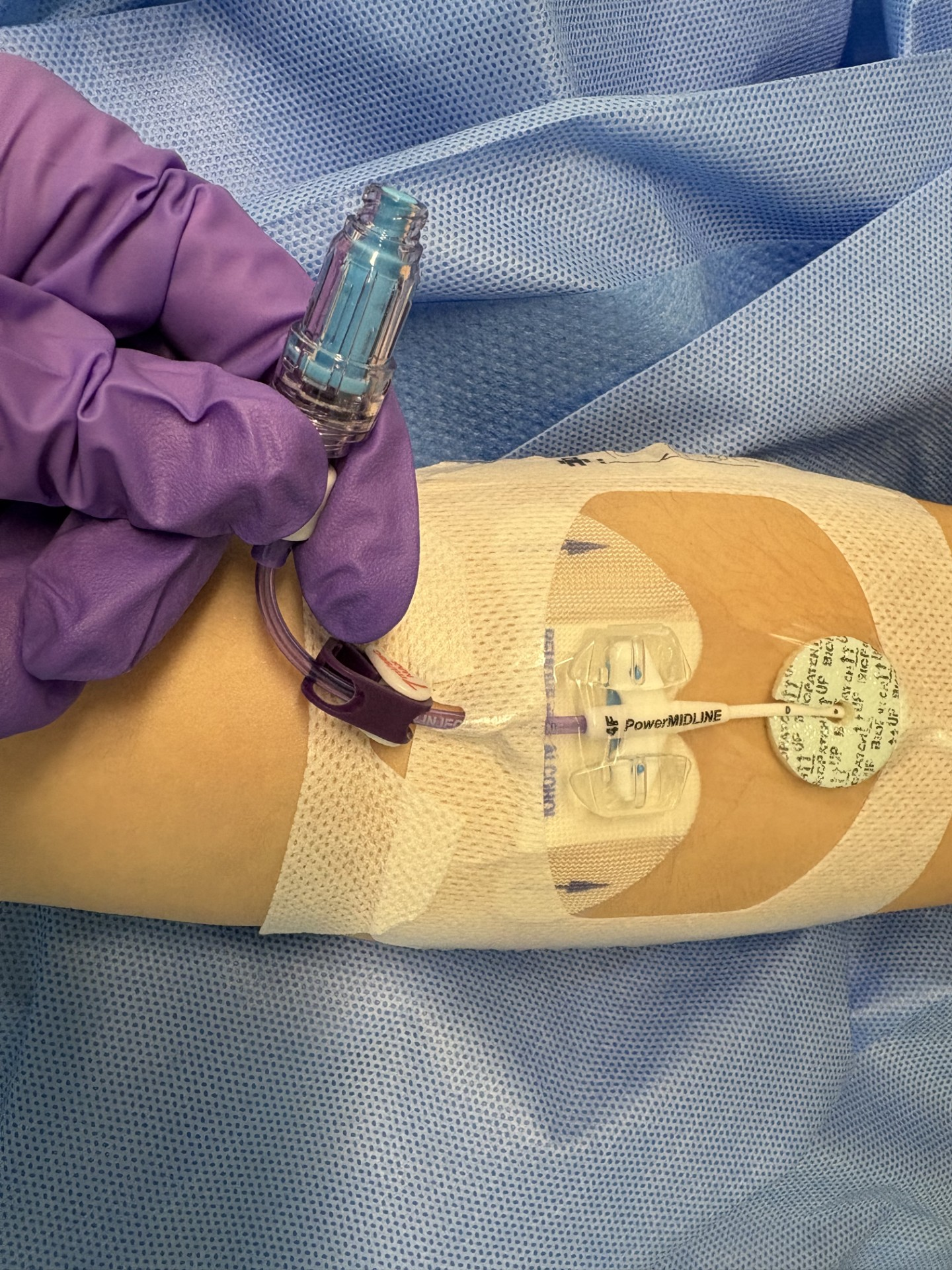
Central lines are essential for delivering many life-saving therapies, but they also carry significant infection risks if not placed and managed properly. Hospitals and healthcare organizations must follow strict central line infection guidelines designed to protect patients, reduce complications, and maintain regulatory compliance.
However, implementing these guidelines consistently can be challenging in busy clinical environments. Staffing shortages, high patient volumes, and complex care needs can make it difficult to ensure every procedure follows best practices.
This is where specialized vascular access expertise becomes especially valuable. With the right team in place, healthcare facilities can strengthen infection prevention efforts while improving operational efficiency and patient outcomes.
What Are Central Line Infection Guidelines?
Central line infection guidelines are clinical protocols designed to prevent central line–associated bloodstream infections (CLABSIs). These guidelines outline the safest practices for inserting, managing, and monitoring central venous catheters.
Leading organizations such as the CDC, The Joint Commission, and the Infusion Nurses Society (INS) provide widely recognized standards that healthcare facilities rely on to reduce infection risk.
While specific protocols may vary slightly by institution, most central line infection guidelines emphasize several key practices:
- Strict sterile technique during insertion
- Proper catheter and insertion site selection
- Use of ultrasound guidance when appropriate
- Standardized monitoring and maintenance procedures
- Accurate documentation and performance tracking
When these guidelines are followed consistently, facilities can significantly reduce infection rates while supporting safer, more efficient care.
Why Central Line Infections Are a Major Operational Concern
Central line infections are more than a clinical complication; they are a serious operational and financial concern for healthcare organizations.
CLABSIs can lead to extended hospital stays, additional treatment requirements, and increased costs of care. In many cases, infections also trigger regulatory scrutiny and performance reporting requirements.
For healthcare leaders, even a small number of preventable infections can create ripple effects throughout the system. Patients may experience delays in treatment, care teams may face increased workloads, and facilities may see measurable impacts on both quality metrics and operational performance.
Preventing these complications requires not only strong clinical protocols but also reliable execution at every stage of care.
Common Risk Factors for Central Line Infections
Despite clear guidelines, several factors can increase the likelihood of central line infections in real-world clinical environments.
Inconsistent Insertion Practices
When vascular access procedures are performed by clinicians who insert central lines infrequently, variations in technique can occur. Even small deviations from sterile protocols can increase infection risk.
Delayed Line Placement
Delays in placing central lines may lead to multiple attempts or rushed procedures once treatment becomes urgent. These situations can raise the likelihood of contamination and complications.
Limited Specialized Expertise
Central line placement requires advanced clinical skill and experience. Facilities without dedicated vascular access specialists may struggle to maintain consistent outcomes across all patient cases.
Lack of Monitoring and Data Visibility
Without clear reporting and outcome tracking, it can be difficult for healthcare leaders to identify patterns, monitor infection prevention efforts, or demonstrate compliance with regulatory expectations.
How a Specialized Vascular Access Team Supports Infection Prevention
Many healthcare organizations strengthen infection prevention efforts by partnering with a dedicated vascular access team. These clinicians focus exclusively on vascular access procedures, allowing them to deliver consistent expertise and standardized care.
Standardized, Evidence-Based Insertion Protocols
Specialized teams follow strict protocols aligned with national guidelines and best practices. This consistency helps reduce variability in insertion technique and improves procedural accuracy.
Experienced vascular access clinicians also achieve high success rates during line placement. Dynamic Access teams maintain 96%+ first-attempt success rates and over 99% overall success, reducing the need for repeated attempts that may increase infection risk.
Faster Access to Skilled Clinicians
Timely vascular access is critical for both patient care and infection prevention. When facilities can quickly access trained specialists, procedures can be performed efficiently and safely.
Dynamic Access provides 24/7/365 availability with an average response time under 2.5 hours, helping hospitals avoid delays that can disrupt care or increase procedural risk.
Reduced Central Line Days
Expert line placement and proper device selection can help healthcare teams determine the most appropriate vascular access option for each patient. In many cases, this approach reduces unnecessary central line use and helps facilities minimize central line days.
Healthcare organizations that implement specialized vascular access support have seen measurable improvements, including reductions in overall length of stay.
Data Transparency and Compliance Reporting
Modern vascular access programs also rely on advanced reporting tools that track outcomes, verify clinician credentials, and provide real-time insights into performance.
With transparent reporting and outcome monitoring, healthcare facilities gain the visibility needed to maintain compliance with infection prevention guidelines and continuously improve patient care.
Strengthening Infection Prevention With the Right Clinical Partner
Preventing central line infections requires more than written protocols. It requires consistent clinical expertise, reliable processes, and strong collaboration between care teams.
When specialized vascular access clinicians are integrated into the care environment, healthcare organizations gain a dependable partner in implementing infection prevention practices. This support helps ensure procedures are performed safely, guidelines are followed consistently, and patients receive timely treatment.
At the same time, care teams benefit from reduced procedural burden and improved operational flow across the facility.
Partner With Dynamic Access to Strengthen Infection Prevention
Central line infection guidelines exist to protect patients, but successfully implementing them depends on having the right clinical expertise available when it matters most.
Dynamic Access partners with healthcare organizations nationwide to provide expert vascular access services that support infection prevention, improve operational efficiency, and enhance patient outcomes.
By combining specialized clinicians, standardized protocols, and transparent reporting, we help facilities deliver safer, more consistent care.